
 admin

Introduction
Rodwajlery is a search term that appears to refer to Rottweilers, a powerful and intelligent dog breed known for its loyalty, confidence, protective nature, and strong physical appearance. These dogs have a long history of working alongside humans and are admired for their ability to protect families, perform demanding tasks, and develop close relationships with their owners. Understanding their background, personality, training needs, health, and everyday care can help people decide whether this breed is suitable for their lifestyle.
Quick Bio Table
| Category | Details |
|---|---|
| Common breed name | Rottweiler |
| Search term | Rodwajlery |
| Origin | Germany |
| Dog group | Working Group |
| Original purpose | Herding and guarding livestock |
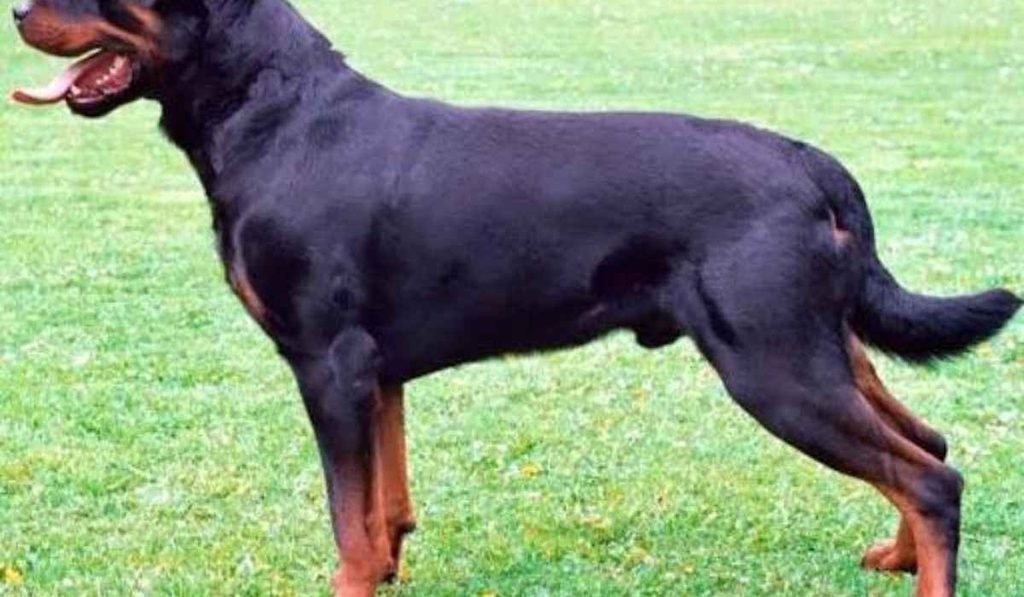
| Coat color | Black with rust or mahogany markings |
| Average height | 22–27 inches |
| Average weight | 80–135 pounds |
| Average lifespan | 9–10 years |
| Personality | Loyal, confident, intelligent |
| Exercise needs | Moderate to high |
| Grooming needs | Low to moderate |
| Common nickname | Rottie |
| Recognized breed | Rottweiler |
1. What Does Rodwajlery Mean?
The word rodwajlery is an informal spelling associated with the Rottweiler dog breed. It is not recognized as the official name of a separate breed by major kennel organizations. People may encounter this spelling while searching online for information about large German dogs. Understanding the correct breed name is useful when researching puppies, veterinary services, training programs, and official breed standards.
2. Understanding the Rottweiler Breed
Rottweilers are strong, intelligent, and hardworking dogs that have developed a reputation for loyalty and protection. They are medium-to-large working dogs with muscular bodies and confident personalities. Their original responsibilities included moving livestock, guarding property, and assisting workers. Today, they are popular family companions, service dogs, police dogs, and participants in different canine sports.
3. Historical Background of the Breed
The history of Rottweilers goes back more than 2,000 years. Their ancestors were mastiff-type dogs associated with the Roman Empire. These animals accompanied Roman soldiers across Europe and helped protect and move livestock. Over generations, working dogs developed in different regions, eventually contributing to the modern breed associated with Rottweil, Germany. Their history explains their strength, endurance, and willingness to work.
4. Origin of the Rottweiler Name
The breed takes its name from the German town of Rottweil. This location became an important center for livestock trading during earlier centuries. Local butchers and cattle merchants needed dependable dogs that could move animals and protect valuable property. The dogs became associated with the town and earned the historical nickname Rottweiler Metzgerhund, commonly translated as the butcher’s dog of Rottweil.
5. Physical Appearance and Body Structure
Rottweilers have broad heads, powerful jaws, muscular shoulders, and strong hindquarters. Their bodies are compact and balanced, allowing them to move with impressive strength and endurance. Their short double coat generally features a black base with clearly defined rust, tan, or mahogany markings. Their appearance is powerful, but healthy representatives of the breed should also demonstrate athletic movement and balanced proportions.
6. Average Height and Weight
Adult Rottweilers are generally substantial dogs. Males commonly stand around 24–27 inches at the shoulder, while females usually measure approximately 22–25 inches. Male dogs may weigh between 95 and 135 pounds, while females often weigh around 80–100 pounds. Individual measurements vary according to genetics, nutrition, and overall health. Maintaining an appropriate weight is more important than achieving a particular number.
7. Personality and Temperament
A properly raised Rodwajlery can be affectionate, calm, confident, and dependable. These dogs often develop strong relationships with their families and enjoy spending time with familiar people. They may initially appear reserved around strangers because of their natural guarding background. However, temperament differs between individual animals. Responsible breeding, early experiences, training, and socialization all influence how a dog behaves throughout adulthood.
8. Loyalty Toward Family Members
One of the most appreciated characteristics of this breed is its loyalty. Rottweilers frequently develop close relationships with their owners and enjoy participating in everyday family activities. They may follow familiar people around the home and prefer being included rather than spending long periods alone. Providing affection, appropriate boundaries, and consistent attention helps build a healthy relationship between a dog and its household.
9. Natural Protective Instincts
Rottweilers have historically performed guarding responsibilities, which explains their natural awareness of unfamiliar situations. They may observe visitors carefully and react when something seems unusual. However, protection should never be confused with uncontrolled aggression. Responsible owners should teach appropriate responses to everyday situations rather than encouraging unnecessary hostility. Professional training can help establish reliable behavior and improve household safety.
10. Intelligence and Learning Ability
Rottweilers are intelligent dogs that can learn commands, routines, and practical tasks. Their working background has contributed to their ability to concentrate and complete structured activities. They generally respond well to consistent instruction and reward-based learning. Mental challenges are equally important as physical exercise because intelligent dogs can become bored when their daily routines lack meaningful activities.
11. Training Requirements
Training should begin during puppyhood and continue throughout adulthood. Basic commands such as sit, stay, come, leave it, and heel help establish control. Short, regular sessions are usually more productive than inconsistent lessons. Owners should use rewards, patience, and clear communication. Harsh punishment can damage trust and create unwanted behavioral problems, particularly in powerful dogs that require confident and responsible handling.
12. Importance of Early Socialization
Socialization introduces puppies to different people, environments, sounds, animals, and everyday experiences. Positive exposure helps them become more comfortable with unfamiliar situations. Owners should arrange safe and controlled introductions rather than forcing interactions. Puppy classes, supervised walks, and positive encounters can contribute to balanced behavior. Socialization is not a one-time activity; it should remain part of a dog’s life.
13. Exercise and Daily Physical Activity
Rottweilers need regular physical activity to maintain healthy muscles, manage body weight, and support emotional well-being. Daily walks, supervised play, obedience activities, and suitable outdoor games can provide useful exercise. The amount should match the dog’s age, fitness, and health. Puppies require particular care because excessive high-impact activity can place unnecessary stress on developing joints and bones.
14. Suitable Living Environment
These dogs can adapt to different homes when their physical and emotional requirements are met. A secure house with a fenced outdoor area can provide opportunities for supervised activity. However, having a large garden does not replace daily walks or interaction. Rottweilers generally benefit from living close to their families and should not be isolated outdoors for extended periods.
15. Feeding and Nutritional Requirements
A balanced diet supports healthy development, muscle maintenance, and everyday energy requirements. Owners should choose complete dog food appropriate for the animal’s age, size, and activity level. Puppies need carefully managed nutrition designed for large-breed growth. Adult dogs require suitable portions to avoid excessive weight gain. Fresh drinking water should always be available, and dietary changes should be introduced gradually.
16. Grooming and Coat Maintenance
Rottweilers have relatively short coats, making their grooming requirements manageable for many households. Weekly brushing can remove loose hair and help keep the coat clean. Bathing is generally necessary when the dog becomes dirty or develops an unpleasant smell. Owners should also inspect the skin regularly and look for unusual irritation, parasites, or changes that may require veterinary attention.
17. Dental Care and Oral Hygiene
Dental health is an important part of responsible dog ownership. Plaque and tartar can develop when teeth are not cleaned regularly. Owners should introduce toothbrushing gradually using toothpaste specifically designed for dogs. Veterinary dental examinations can identify problems before they become serious. Appropriate dental chews may also support oral hygiene, but they should never replace regular professional assessments and home care.
18. Common Health Problems
Like other large breeds, Rottweilers can develop certain inherited and age-related health conditions. Potential concerns include hip dysplasia, elbow problems, heart conditions, and some cancers. Obesity can also increase pressure on joints and affect overall health. Regular veterinary examinations, responsible breeding practices, suitable exercise, and balanced nutrition help owners monitor potential problems and support long-term well-being.
19. Hip and Elbow Dysplasia
Hip and elbow dysplasia are joint conditions that can affect large dogs. They involve abnormal joint development and may lead to discomfort, stiffness, or reduced mobility. Some affected animals show symptoms during adulthood, while others experience difficulties earlier. Responsible breeders screen their breeding dogs where appropriate. Maintaining a healthy body weight and following veterinary recommendations can help manage joint-related concerns.
20. Understanding Bloat Risks
Bloat, also known as gastric dilatation-volvulus when the stomach twists, is a serious emergency that can affect large, deep-chested dogs. Warning signs may include unsuccessful attempts to vomit, abdominal swelling, restlessness, and excessive drooling. Immediate veterinary attention is essential if these symptoms appear. Owners should discuss feeding routines and individual risk factors with their veterinarian rather than relying on home remedies.
21. Lifespan and Aging
The average lifespan of a Rottweiler is commonly reported at approximately 9–10 years, although individual dogs may live longer or shorter lives. Genetics, preventive healthcare, nutrition, exercise, and living conditions influence longevity. As dogs age, owners may notice changes in movement, energy, appetite, and sleeping habits. Regular checkups help identify age-related concerns and support comfortable senior years.
22. Rottweiler Puppies and Early Development
Rottweiler puppies are generally curious, playful, and energetic. During their early development, they learn important behaviors through interaction with their mothers, littermates, and human caregivers. New owners should provide a safe environment, appropriate meals, veterinary care, and positive training experiences. Establishing routines early can make household life easier and encourage desirable habits as puppies become larger and stronger.
23. Choosing a Responsible Breeder
Choosing a responsible breeder is an important decision when purchasing a puppy. Prospective owners should ask about the parents’ health, temperament, veterinary records, and relevant genetic screening. A trustworthy breeder welcomes questions and allows potential buyers to understand the puppy’s living conditions. Avoid sellers who refuse basic health information or pressure buyers into making immediate payments.
24. Adoption and Rescue Opportunities

Adoption can be an excellent alternative to purchasing a puppy. Rescue organizations sometimes care for adult dogs that need stable homes and experienced owners. Adopting an older animal may also provide a clearer understanding of its established personality and behavior. Before adopting, families should discuss the dog’s background, medical requirements, training history, and compatibility with existing household members.
25. Are Rottweilers Good Family Dogs?
Rottweilers can become devoted family companions when they receive appropriate training, socialization, supervision, and care. Their size and strength mean that interactions with young children should always be monitored. Children should learn how to approach, touch, and respect dogs safely. Individual temperament matters more than general assumptions, and families should carefully assess whether they can meet the dog’s needs.
26. Compatibility With Other Pets
Some Rottweilers live successfully with other dogs and household animals, especially when introductions happen gradually. However, compatibility depends on individual temperament, early experiences, and the behavior of the other pets. Owners should supervise interactions and provide separate feeding and resting areas when necessary. Professional guidance may be useful if an animal displays fear, excessive excitement, or aggressive behavior.
27. Working Roles and Professional Activities
Beyond companionship, Rottweilers have participated in several professional activities. Their strength, intelligence, and trainability have made them useful in police work, tracking, obedience, and other structured tasks. Some also participate in therapy programs after appropriate assessment and training. These activities demonstrate that the breed can perform different responsibilities when its individual abilities and temperament are suitable.
28. Rottweilers in Dog Sports
Dog sports provide opportunities for physical activity, mental stimulation, and relationship building. Suitable activities may include obedience competitions, tracking, agility, rally, and structured working trials. Owners should choose activities according to their dog’s physical condition and interests. Professional instruction can improve safety and technique while giving dogs meaningful opportunities to use their natural abilities.
29. Common Myths About the Breed
Many misconceptions surround powerful dog breeds. Some people assume that every Rottweiler is naturally aggressive or unsuitable for family life. These generalizations overlook individual temperament, breeding, socialization, and responsible ownership. Another misconception is that a large garden provides enough exercise without daily interaction. Understanding the actual requirements of the breed helps people make informed decisions.
30. Responsible Ownership and Safety
Owning a large working dog requires preparation and consistent responsibility. Owners should use secure equipment, follow local animal regulations, maintain veterinary records, and provide appropriate supervision in public spaces. Visitors should be introduced carefully, and dogs should have a comfortable area where they can rest without disturbance. Responsible ownership protects the animal, family members, visitors, and the wider community.
31. Costs of Owning a Rottweiler
The financial responsibilities of owning a large dog extend beyond the initial purchase or adoption fee. Owners should budget for food, vaccinations, routine veterinary appointments, grooming supplies, training, identification, and emergency treatment. Larger dogs may also require stronger equipment and appropriately sized beds. Planning for these expenses before bringing a puppy home helps prevent avoidable financial difficulties.
32. Traveling With Your Dog
Traveling with a Rottweiler requires preparation because of its size and physical needs. Owners should arrange suitable transportation, secure restraints, fresh water, regular breaks, and comfortable resting arrangements. Before traveling internationally, they should check vaccination, microchip, documentation, and entry requirements. A veterinarian can provide advice about motion sickness, health considerations, and the suitability of longer journeys.
33. Seasonal Care and Weather Considerations
Weather conditions can affect a dog’s comfort and safety. During hot weather, owners should provide shade, fresh water, and cooler resting areas. Exercise should be scheduled during cooler parts of the day when necessary. In colder conditions, outdoor exposure should remain appropriate to the individual animal. Owners should watch for overheating, excessive panting, shivering, and other signs of discomfort.
34. How to Build a Strong Relationship
A healthy relationship develops through trust, consistency, communication, and positive shared experiences. Daily walks, gentle play, training sessions, and quiet time together help strengthen the connection between dogs and their owners. Dogs should receive attention without being overwhelmed. Understanding body language and respecting personal space can prevent misunderstandings and create a more comfortable household environment.
35. Is This Breed Suitable for First-Time Owners?
First-time owners should carefully consider the responsibilities associated with a large working dog. Rottweilers need consistent training, early socialization, exercise, and appropriate handling. A person without previous experience may benefit from professional guidance and structured obedience classes. The important consideration is whether the owner has sufficient time, patience, knowledge, and resources to manage a strong and intelligent companion.
36. The Future of the Rottweiler Breed
The future of the breed depends on responsible breeding, animal welfare, and informed ownership. Health testing, temperament assessment, veterinary research, and ethical breeding practices can help address inherited concerns. Public education is also important because misunderstandings can influence how people treat individual dogs. Supporting reputable rescue groups and responsible breeders contributes to healthier canine communities.
37. Understanding Body Language
Learning canine body language helps owners understand what their dogs are communicating. A relaxed posture, soft eyes, and comfortable movements may indicate that a dog feels safe. Stiff body language, repeated lip licking, avoidance, or excessive barking can indicate stress or discomfort. Owners should pay attention to these signals and respond calmly. Understanding communication helps prevent unwanted situations and supports better relationships.
38. Mental Stimulation and Enrichment
Mental stimulation is essential for dogs with strong working instincts. Puzzle feeders, scent games, interactive toys, and obedience exercises can keep their minds active. Owners can hide treats around safe areas and encourage their dogs to find them. These activities provide variety and reduce boredom. Regular enrichment also creates opportunities for learning and helps dogs develop confidence through positive experiences.
39. Establishing a Daily Routine
A predictable routine can make life easier for both dogs and their owners. Regular feeding times, walks, training sessions, playtime, and sleeping arrangements provide structure. Dogs often become more comfortable when they understand what happens throughout the day. However, routines should allow flexibility for changing weather, health requirements, and family responsibilities. Consistency combined with positive attention supports good behavior.
40. Veterinary Visits and Preventive Healthcare
Preventive veterinary care helps identify health concerns before they become more difficult to manage. Puppies require vaccination schedules, parasite prevention, and regular growth assessments. Adult dogs benefit from routine examinations, dental checks, and weight monitoring. Senior animals may need additional assessments depending on their health. Owners should maintain vaccination records and consult qualified veterinarians whenever unusual symptoms appear.
41. Neutering and Responsible Breeding Decisions
Decisions about neutering or breeding should be made with professional veterinary advice. Age, individual health, development, and potential risks should be considered before choosing a procedure. Responsible breeding requires health assessments, suitable temperament, and careful selection of breeding partners. Owners should avoid breeding animals simply because they have attractive appearances. Animal welfare and long-term health should remain the primary priorities.
42. Understanding the Breed Standard
A breed standard describes the desired physical characteristics, proportions, coat markings, movement, and temperament of a recognized breed. These guidelines help breeders and judges assess dogs consistently. The American Kennel Club publishes information about the Rottweiler standard, including its muscular appearance and distinctive markings. Understanding breed standards can help prospective owners distinguish established characteristics from exaggerated claims made by sellers.
43. Common Mistakes New Owners Should Avoid
New owners sometimes underestimate the time and commitment required to raise a large working dog. Skipping socialization, inconsistent training, inadequate exercise, and excessive feeding can create avoidable problems. Another mistake is encouraging aggressive behavior because of misunderstandings about protection. Owners should instead prioritize confidence, obedience, health, and appropriate boundaries. Seeking professional assistance early can prevent many behavioral difficulties.
44. Why Researching the Breed Matters
Researching rodwajlery before purchasing or adopting a dog helps prospective owners understand what responsible ownership involves. People should investigate temperament, exercise requirements, medical expenses, training needs, and local regulations. They should also compare reliable veterinary and kennel organization resources rather than depending entirely on social media posts. Accurate information makes it easier to choose a suitable companion and provide appropriate long-term care.
Frequently Asked Questions (FAQs)
1. What does rodwajlery mean?
– It is an informal online spelling associated with the Rottweiler, a recognized German working dog breed.
2. Where do Rottweilers originally come from?
– They originated in Germany and have historical connections to working dogs used by Roman soldiers.
3. Are Rottweilers good family pets?
– Yes, properly trained and socialized individuals can become loyal and affectionate family companions.
4. How long do Rottweilers usually live?
– Their average lifespan is approximately 9–10 years, although individual lifespans vary.
5. Are Rottweilers difficult to train?
– They are intelligent and trainable but need consistent instruction, positive reinforcement, and early socialization.
Conclusion
Rodwajlery is an interesting search term connected with one of the world’s best-known working dog breeds. Rottweilers are admired for their intelligence, loyalty, strength, and protective instincts. However, successful ownership requires proper training, regular exercise, balanced nutrition, preventive veterinary care, and responsible socialization. Anyone considering bringing one home should research the breed carefully and choose a responsible breeder or reputable rescue organization. For additional historical information, breed characteristics, and references, visit Rottweiler on Wikipedia.