
 admin

Introduction to Insoya
Insoya is an interesting term that has recently attracted attention across online searches, food-related discussions, and conversations about modern nutrition. Many people encounter this word while researching soy products, plant-based foods, or unfamiliar brands. However, its exact meaning can vary depending on the context in which it appears. Some online sources connect it with soy-based nutrition, while historical business directories identify it as a food-related brand name. Understanding its background requires looking at its possible meanings, commercial associations, nutritional connections, and relevance to modern consumers.
| Quick Bio Detail | Information |
|---|---|
| Name | Insoya |
| Category | Food-related term and brand reference |
| Main association | Soy and plant-based products |
| Industry | Food and nutrition |
| Origin | Different uses and references |
| Product category | Soy-related products |
| Main interest | Nutrition, food, and branding |
| Official definition | No universally accepted definition |
| Online presence | Food-related and informational websites |
| Popularity | Emerging online search interest |
1. What Is Insoya?
The term Insoya does not currently have one universally accepted scientific definition. It appears in different online contexts, particularly those discussing soy-based foods, plant protein, nutrition, and product branding. Some websites describe it as a modern concept connected with soy ingredients, while others associate it with commercial food products. Therefore, readers should consider the source before accepting a particular explanation. The most reliable approach is to distinguish established information about soybeans from claims specifically connected with this name.
2. Understanding the Meaning of Insoya
Understanding the meaning requires examining how the word is used. The name contains a recognizable connection to soya, a familiar term for soybeans in many parts of the world. This connection makes plant-based nutrition an understandable interpretation. However, the word itself does not establish a particular recipe, manufacturing process, or nutritional profile. Its meaning depends on whether someone is discussing a brand, ingredient, food concept, or online reference.
3. The Possible Origins of the Name
The exact linguistic origin of the name is not clearly established in widely recognized academic references. It may have developed through commercial branding or creative naming practices associated with food products. Historical records provide an interesting clue: Costa Rican food-industry directories have listed Insoya among the brands associated with Grupo Nutrisol Vite and beverage-mix production. This demonstrates a historical commercial association, although it does not establish every current online interpretation.
4. Historical Background and Development

The history of soy-related products extends much further than recent internet discussions. Soybeans have been cultivated for centuries and became important ingredients in different Asian food traditions. Over time, modern food manufacturing introduced additional forms, including protein concentrates, textured soy products, beverages, and meat alternatives. The historical appearance of this particular name in a Costa Rican industry directory provides a separate commercial connection. However, its complete development timeline remains unclear.
5. Connection Between Insoya and Soybeans
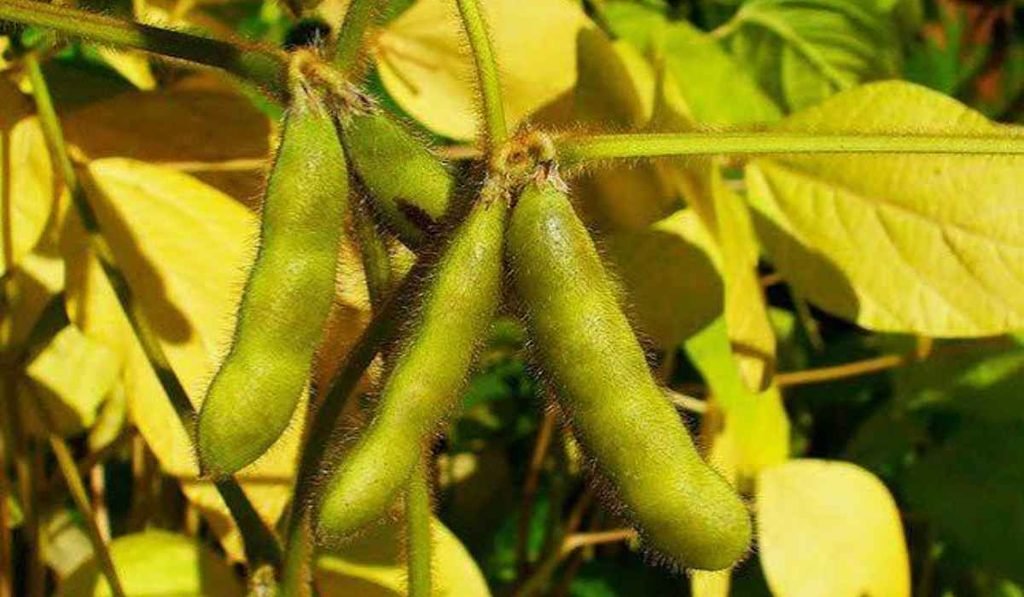
Soybeans are legumes that provide protein, fats, carbohydrates, vitamins, and minerals. They are widely used in traditional meals and modern food manufacturing. Products made from soybeans include tofu, tempeh, soy milk, miso, and textured vegetable protein. These established foods provide useful context when researching soy-related terminology. Nevertheless, the nutritional qualities of ordinary soybeans should not automatically be attributed to every product or brand using a similar name.
6. Why Is Insoya Becoming an Online Search Topic?
Unfamiliar words often attract attention because people want to discover their meanings. Search engines, social media discussions, niche websites, and product references can introduce new terminology to larger audiences. Some readers may encounter the word while researching nutrition, while others may see it mentioned in an article about branding or food products. This variety of search intentions explains why different websites sometimes provide different descriptions.
7. Nutritional Importance of Soy-Based Foods
Soy-based foods can contribute valuable nutrients to a balanced eating pattern. Whole soybeans contain protein, dietary fiber, unsaturated fats, and several important micronutrients. Tofu, tempeh, and edamame are familiar examples of foods made from soybeans. Their nutritional composition varies according to preparation and processing. Consumers interested in plant-based eating often include these ingredients because they provide convenient alternatives to certain animal-based protein sources.
8. Protein Content and Dietary Value
Protein supports muscle maintenance, tissue repair, and several important biological processes. Soy is particularly interesting because it provides all nine essential amino acids, making it a complete plant protein. Different soy products contain different amounts of protein. Soy protein isolate, textured soy protein, and whole soybeans should not be considered nutritionally identical. Anyone comparing products should examine the nutrition label rather than relying exclusively on a product name.
9. Possible Benefits of Soy-Based Nutrition
A balanced diet containing appropriate soy foods Insoya may provide several nutritional advantages. Soy protein can help people meet their daily protein requirements, particularly when following vegetarian or vegan eating patterns. Whole soy foods can also contribute fiber and unsaturated fats. However, no unfamiliar brand name should be treated as proof of special health benefits. The nutritional value depends on actual ingredients, serving sizes, preparation methods, and the individual’s overall diet.
10. Different Types of Soy Products
Soy is available in numerous forms, allowing consumers to choose products according to their preferences and cooking requirements. Popular options include tofu, soy milk, tempeh, edamame, soy flour, and textured vegetable protein. Each product has its own preparation method, texture, and nutritional characteristics. Some are minimally processed, while others undergo additional manufacturing. Understanding these differences helps consumers make better decisions when exploring unfamiliar soy-related products.
11. How Soy Products Are Manufactured
Soy processing involves several techniques designed to produce different food ingredients. Whole soybeans may be cleaned, soaked, cooked, pressed, fermented, or processed into protein-rich ingredients. Tofu production involves preparing soy milk and coagulating it into a solid product. Textured soy protein uses processing techniques that create a meat-like texture. The exact manufacturing process depends on the intended product, so readers should avoid assuming that every soy-based ingredient is manufactured identically.
12. Traditional Uses of Soy in Different Cultures
Soybeans have played an important role in traditional food cultures, particularly across East Asia. Tofu, miso, soy sauce, natto, and tempeh are familiar examples of soy-based foods. These ingredients are used in soups, sauces, rice dishes, and numerous everyday meals. Their popularity demonstrates how one agricultural ingredient can become part of different culinary traditions. Modern plant-based food products continue to build on these established cooking practices.
13. Modern Applications in Plant-Based Diets
Plant-based diets have encouraged consumers to explore alternatives to conventional meat and dairy products. Soy ingredients are frequently used in meat substitutes, protein beverages, dairy alternatives, and convenient prepared meals. Their versatility makes them useful for manufacturers developing products with different textures and flavors. In this context, Insoya can be explored as a term appearing in broader conversations about soy-related products, although its precise commercial meaning should always be verified.
14. Is Insoya a Brand or a Food Ingredient?
This is one of the most important questions surrounding the term. Historical Costa Rican food-industry directories list it as a brand associated with beverage mixes and sugar substitutes. However, many newer online articles use the word more generally when discussing soy nutrition. These references should not be confused with one another. A historical brand listing does not prove that every modern description refers to the same company or product.
15. How to Evaluate Products Using This Name
Consumers should investigate unfamiliar products before purchasing them. Start by identifying the manufacturer, official product website, ingredient list, and nutritional information. Check whether the packaging includes allergen warnings, manufacturing details, and customer service information. If the product makes medical or nutritional claims, look for reliable supporting evidence. These basic steps help distinguish legitimate commercial products from unsupported marketing descriptions.
16. Food Safety and Consumer Awareness
Food safety should remain a priority when purchasing any unfamiliar ingredient. Soybeans must be appropriately processed before consumption, and packaged products should follow relevant food safety requirements. Consumers should check expiry dates, storage instructions, packaging condition, and allergen declarations. People with soy allergies should avoid products containing soy ingredients unless advised otherwise by a qualified healthcare professional. Responsible purchasing decisions begin with understanding exactly what a product contains.
17. Potential Allergies and Dietary Considerations
Although soy is nutritious for many people, it is also a recognized food allergen. Individuals with soy allergies may experience reactions after consuming soy-containing foods. Symptoms can range from mild digestive or skin reactions to serious allergic responses. People with known allergies should carefully examine ingredient labels and avoid products that contain soy. Anyone experiencing a suspected severe allergic reaction needs immediate medical attention.
18. Soy Products and Vegetarian Eating
Vegetarians frequently use soy products because they provide convenient sources of plant protein. Tofu can replace meat in stir-fries, while tempeh works well in sandwiches, salads, and grilled dishes. Soy milk is another popular option for people seeking alternatives to dairy beverages. These foods can make vegetarian meal planning easier while providing nutritional variety. Their suitability depends on individual dietary requirements and ingredient preferences.
19. Environmental Considerations of Soy Production
Soybean cultivation has an important position in global agriculture. Soy is used for human food, animal feed, and several industrial applications. Its environmental impact depends on farming practices, land use, transportation, processing, and production methods. Responsible sourcing can help reduce environmental concerns. Consumers interested in sustainability should investigate where ingredients originate and whether manufacturers provide credible information about their agricultural and production practices.
20. Insoya and the Future of Food Innovation
Food innovation continues to introduce new ingredients, manufacturing techniques, and product categories. Soy remains relevant because it can be processed into beverages, protein ingredients, meat alternatives, and traditional foods. Emerging terminology may also help businesses communicate new product ideas. However, a name alone cannot demonstrate technological advancement or nutritional superiority. Future recognition will depend on clear product definitions, commercial adoption, consumer trust, and reliable information.
21. Why Accurate Online Information Matters
The internet contains thousands of articles explaining unfamiliar products and emerging terms. Unfortunately, some websites repeat information without checking its original source. This can create confusion when different pages describe the same word in completely different ways. Readers should compare claims against established industry directories, scientific publications, product labels, and recognized food organizations. Reliable research separates documented information from assumptions and unsupported marketing language.
22. How to Research Insoya Effectively
Research becomes easier when readers use specific search phrases instead of relying on one general keyword. Useful searches include the name alongside terms such as brand, ingredients, food products, nutrition, and manufacturer. Checking official websites and independent industry directories can reveal additional information. Readers should also examine publication dates because older commercial records may not represent a company’s present operations or product availability.
23. Common Misunderstandings About the Term
One common misunderstanding is assuming that every website uses the term to describe the same product. Another is treating general information about soybeans as proof of specific health benefits associated with a particular brand. Neither assumption is reliable. Consumers should remember that soy protein, fermented soy, soy flour, and textured soy products are different categories. Clear terminology and product-specific evidence are essential for understanding unfamiliar food references.
24. The Role of Branding in the Food Industry
Branding helps businesses distinguish their products from competitors. A memorable name can make a food product easier to recognize and discuss. However, branding should be supported by accurate labeling, consistent quality, transparent ingredients, and dependable customer service. Historical references to a brand can help establish that it appeared in commercial records, but they do not independently confirm its current ownership, availability, or product range.
25. What Consumers Should Know Before Making a Decision
Anyone researching unfamiliar food terminology should begin with the actual product rather than its marketing name. Identify the manufacturer, ingredients, nutritional composition, and intended use. Check whether health claims have scientific support and whether the product meets relevant food regulations. This approach is especially useful when several websites provide conflicting explanations. Careful research helps consumers avoid unnecessary purchases and choose products that genuinely match their dietary needs.
26. Is It Worth Exploring Soy-Based Products?
Soy-based products can be useful additions to many balanced diets. They provide options for people interested in plant protein, vegetarian cooking, and alternative food ingredients. Nevertheless, individual preferences, allergies, nutritional requirements, and product quality should influence purchasing decisions. Consumers who enjoy experimenting with food can explore established options such as tofu, tempeh, and edamame before considering unfamiliar products or brands.
27. The Future Outlook
The future of soy-related food products will likely be influenced by changing consumer preferences, food technology, agricultural practices, and sustainability concerns. Manufacturers continue to explore ways to improve texture, flavor, nutritional composition, and affordability. New names and brands may emerge as this market develops. Whether this particular term gains broader recognition will depend on its real-world commercial use and the availability of consistent, verifiable information.
28. Final Thoughts on Insoya
Insoya is an interesting search term because it connects discussions about branding, soy-based nutrition, and the development of modern food products. Its exact meaning is not universally standardized, so readers should avoid accepting every online explanation as established fact. Historical industry records provide evidence of a food-related brand association, while broader nutritional information comes from the established science of soybeans. Understanding this distinction allows readers to research unfamiliar products more confidently and make informed decisions.
Frequently Asked Questions (FAQs)
1. What does Insoya mean?
– It is an emerging and context-dependent term associated with soy-related products, food branding, and online discussions.
2. Is Insoya a real food brand?
– Historical Costa Rican food-industry directories list it as a brand, although its current commercial status requires independent verification.
3. Is Insoya related to soybeans?
– Online sources frequently associate the term with soy-based nutrition, but it does not have one universally accepted technical definition.
4. What are the nutritional benefits of soy?
– Soy foods provide protein and other nutrients, including fiber and unsaturated fats in certain forms, making them useful in balanced diets.
5. Is Insoya suitable for everyone?
– Not necessarily. People with soy allergies should avoid soy-containing products, while others should check ingredients and nutritional information before consumption.
Conclusion
In conclusion, Insoya represents an interesting subject for people researching modern food terminology, soy-related products, and emerging brand references. Although its exact meaning remains uncertain, the established nutritional and commercial history of soy provides useful context. Readers should prioritize verified information, transparent product labeling, and reliable sources when exploring unfamiliar food names. For additional background about soybeans, their history, cultivation, and nutritional importance, visit Wikipedia’s Soybean article, which provides a useful starting point for further research.