
 admin
Introduction to Nahttypen
Nahttypen are an essential part of sewing, clothing construction, textile production, and fashion design. Every garment requires suitable seams to connect fabric pieces securely and create a neat appearance. Different fabrics and sewing projects need different stitching methods. Some seams provide strength, while others improve flexibility, comfort, durability, or decoration. Understanding the available seam options helps beginners and professional tailors achieve better results. Whether you are making shirts, trousers, dresses, jackets, or home decorations, learning about different sewing techniques can improve the quality and appearance of your finished projects.
| Quick Information | Details |
|---|---|
| Main keyword | Nahttypen |
| English meaning | Types of seams |
| Main category | Sewing and textile construction |
| Common applications | Clothing, upholstery, accessories |
| Popular techniques | Plain, French, flat-felled, overlock |
| Required equipment | Sewing machine, needle, thread, scissors |
| Skill level | Beginner to advanced |
| Main purpose | Joining and finishing fabric |
| Related subjects | Fashion design and garment construction |
1. Understanding Different Sewing Seams
A seam is a connection created when two or more fabric pieces are joined using stitches. It is one of the most important elements of garment construction because it affects strength, comfort, and appearance. The correct technique depends on fabric thickness, garment design, and intended use. A lightweight blouse may require a delicate finish, while workwear needs stronger construction. Learning the basic principles helps sewists choose suitable techniques for different materials and projects.
2. Why Seam Selection Matters
Choosing the correct seam can make a significant difference in the final product. A poorly selected technique may cause fabric edges to fray, stitches to break, or garments to lose their shape. Strong seams are important for clothing that experiences frequent movement and washing. Decorative seams can also improve the visual appearance of an outfit. Understanding fabric behavior and construction requirements helps prevent common sewing problems.
3. Plain Seam
The plain seam is one of the simplest and most widely used sewing techniques. It joins two fabric pieces with their right sides facing each other. A straight stitch is usually sewn along the required seam allowance before the fabric is opened. This method works well for cotton, linen, polyester, and many everyday materials. It is commonly found in shirts, dresses, skirts, and household textile products.
4. French Seam
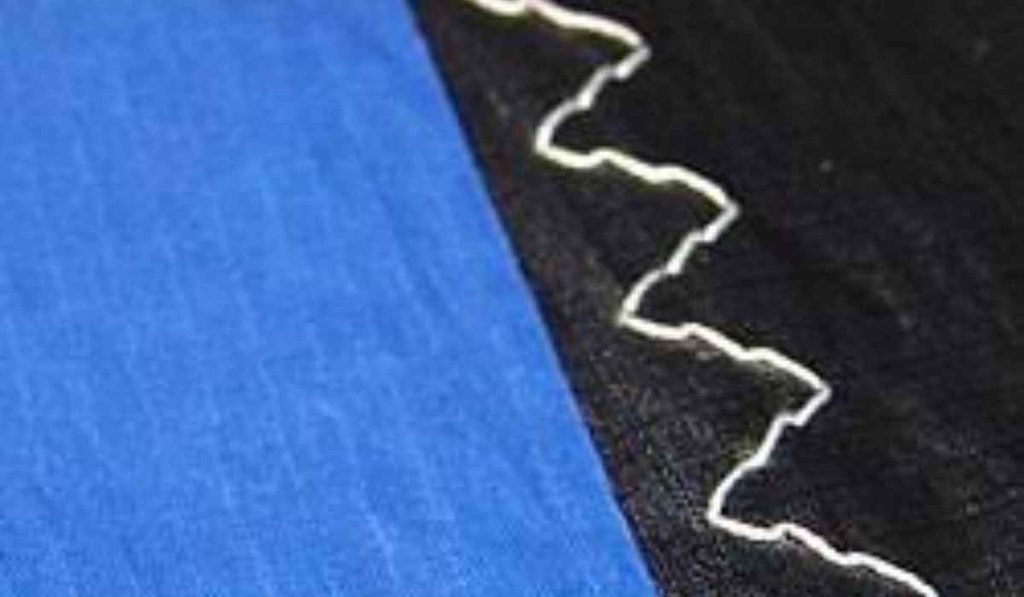
A French seam creates a clean and professional finish by completely enclosing raw fabric edges. It involves sewing the fabric pieces together, trimming the allowance, and stitching again to hide unfinished edges. This technique is particularly useful for lightweight and delicate fabrics. Chiffon, voile, and fine cotton are common materials for this method. It produces an attractive interior finish without requiring an additional overlocking step.
5. Flat-Felled Seam
A flat-felled seam is known for its strength and durability. It encloses raw fabric edges within a folded construction, creating two parallel lines of stitching on the finished side. Denim jeans, shirts, uniforms, and workwear frequently use this technique. The enclosed edges reduce fraying and help garments withstand regular washing and physical activity. Although it requires careful folding, the result is strong and professional.
6. Overlock Seam
An overlock seam is created using an overlocker or serger machine. This machine stitches fabric pieces together while trimming and wrapping the raw edges. The technique is especially useful for knitted fabrics, stretch clothing, and mass-produced garments. It helps prevent fraying while creating a flexible finish. Many clothing manufacturers use overlocking because it combines several construction steps into one efficient process.
7. Double-Stitched Seam
A double-stitched seam uses two rows of stitching to improve strength and stability. The additional stitching helps distribute tension across the joined fabric sections. It is useful for garments that experience frequent movement or stress. Sportswear, casual clothing, and selected workwear designs may benefit from this technique. Proper spacing between the stitch lines helps maintain a neat and balanced appearance.
8. Bound Seam
A bound seam covers unfinished fabric edges with a separate strip of fabric or binding material. This creates a clean interior finish and protects the edges from fraying. It is often used in jackets, coats, dresses, and unlined garments. Binding can also introduce a contrasting color or decorative detail. The method requires accurate folding and stitching to achieve an even finish.
9. Lapped Seam
A lapped seam is made by placing one fabric edge over Nahttypen another and stitching through the overlapping layers. Unlike a plain seam, the fabric edges do not necessarily need to face each other. This construction can provide a strong connection and a distinctive appearance. It is suitable for selected leather projects, decorative garments, and heavy textile applications. Careful alignment helps prevent uneven thickness.
10. Welt Seam
A welt seam creates a raised or decorative effect along a fabric join. It may include a narrow strip of material placed within the seam construction. The finished result can add structure and visual interest to clothing. Designers sometimes use welt details in jackets, trousers, upholstery, and tailored garments. Accurate stitching is important because uneven construction can affect the overall appearance.
11. Piped Seam
A piped seam includes a narrow decorative cord or folded fabric strip between two fabric pieces. The piping creates a raised line that adds definition and elegance to the finished product. It is commonly used in cushions, sofa covers, dresses, handbags, and tailored jackets. Piping can match the main fabric or provide a contrasting color. A special piping foot can make installation easier and more accurate.
12. Flatlock Seam
A flatlock seam is designed to create a flat connection between fabric sections. It is particularly popular in sportswear, leggings, athletic shirts, and stretch garments. Unlike traditional seams, it reduces bulky fabric layers and helps improve wearing comfort. This construction is useful for clothing worn close to the body. Specialized sewing machines are generally required to achieve a professional flatlock finish.
13. Blind Stitch Seam
A blind stitch seam is designed to make stitching almost invisible from the outside. It is frequently used for trouser hems, skirts, dresses, curtains, and formal clothing. The technique catches only a small amount of the visible fabric while securing the folded edge. This creates a neat appearance without an obvious line of stitching. Blind stitching can be completed by hand or with a suitable sewing machine.
14. Zigzag Seam
A zigzag seam uses stitches that move from side to side instead of following a straight line. It is useful for finishing raw fabric edges and preventing fraying. This technique also provides some flexibility, making it suitable for certain stretch materials. Beginners often use zigzag settings on domestic sewing machines because they are easy to adjust. Stitch width and length can be changed according to fabric thickness.
15. Reinforced Seam
A reinforced seam is designed to provide additional strength in areas that experience regular pressure or movement. It may include extra stitching, shorter stitch lengths, or additional fabric support. Shoulder sections, pockets, waistbands, and trouser openings can benefit from reinforcement. This construction helps prevent seams from opening during everyday use. The reinforcement method should match the material to avoid unnecessary stiffness.
16. Open Seam
An open seam is produced by joining two fabric pieces and pressing their seam allowances in opposite directions. This creates a relatively flat finish that distributes fabric thickness evenly. It is commonly used in dresses, shirts, trousers, and tailored clothing. Pressing is particularly important because it helps the fabric maintain its intended shape. The raw edges usually require additional finishing to prevent fraying.
17. Closed Seam
A closed seam is created when both seam allowances are directed toward the same side after stitching. Depending on the fabric, the edges may be finished together using an overlocker or another suitable technique. This construction is practical for many everyday garments and can simplify manufacturing. It works especially well when a particular design does not require the seam allowances to remain separated.
18. Topstitched Seam
A topstitched seam includes visible stitching on the outside of a garment. It can secure seam allowances, improve durability, and create an attractive decorative effect. Denim jackets, jeans, shirts, bags, and coats frequently feature this construction. Topstitching may use contrasting thread to create a noticeable design detail. Consistent spacing and straight stitching are essential for achieving a clean professional result.
19. Lapped Stitch Construction
Lapped construction joins fabric pieces by overlapping their edges before stitching. It can be useful when a strong connection is needed without creating a conventional bulky seam allowance. This technique is found in selected clothing designs, leather products, and industrial textile applications. The amount of overlap should remain consistent throughout the stitching process. Different fabrics may require adjustments to needle size and thread strength.
20. Safety Seam
A safety seam combines two stitching operations to improve the security of a garment connection. It is commonly used in industrial clothing production, particularly where durability and reliability are important. Sportswear, uniforms, and everyday garments may feature this construction. The additional stitching helps reduce the risk of seam failure. Manufacturers select appropriate stitch configurations according to the expected fabric stress and garment requirements.
21. Coverstitch Seam
A coverstitch seam is widely used in stretch clothing and knitted fabrics. It typically features parallel straight stitches on the outside and a looper thread covering the underside. This construction allows garments to stretch while maintaining a secure finish. T-shirt hems, leggings, sportswear, and casual clothing often use coverstitching. A dedicated coverstitch machine generally produces the best results for professional garment finishing.
22. Chainstitch Seam
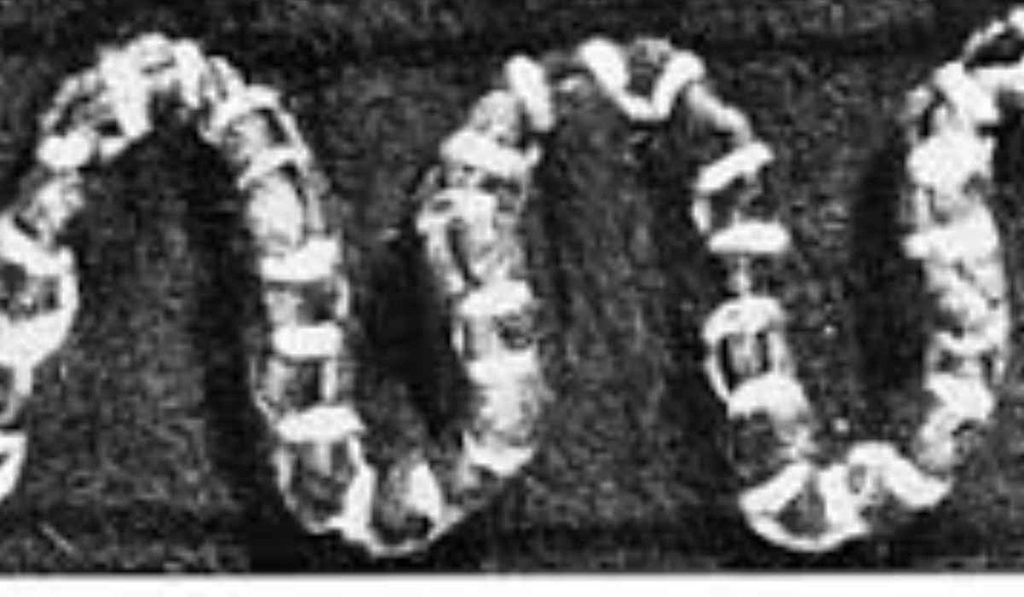
A chainstitch seam is created using interconnected loops of thread. It offers flexibility and is used in several garment manufacturing applications. Depending on the machine and construction, chainstitching can be suitable for decorative details, hems, and long garment seams. It is important to understand that some chainstitch constructions can unravel if the thread becomes loose. Proper securing techniques help maintain seam stability.
23. Double-Needle Seam
A double-needle seam uses two needles to create parallel rows of stitching simultaneously. It is popular for finishing sleeves, necklines, hems, and decorative garment details. The two lines create a balanced appearance while providing additional stitching support. Domestic sewing machines with twin-needle compatibility can perform this technique. Correct thread tension and suitable needles are important for avoiding skipped stitches and fabric puckering.
24. Padded Seam
A padded seam includes additional material or padding within its construction to create thickness, softness, or structure. It is especially useful in upholstery, cushions, protective clothing, and selected fashion accessories. The padding material must be distributed evenly to prevent uncomfortable lumps or uneven surfaces. Depending on the project, foam, batting, or another suitable textile layer can be incorporated into the construction.
25. Decorative Seam
A decorative seam is primarily designed to improve the visual appearance of a textile product. It may include contrasting thread, creative stitch patterns, or carefully arranged parallel lines. Fashion designers use decorative stitching to highlight garment shapes and create unique details. Decorative techniques are popular in denim, jackets, handbags, home furnishings, and customized clothing. Their appearance depends on thread color, stitch design, and fabric texture.
26. Choosing the Right Seam for Different Fabrics
Fabric selection plays an important role in determining the most suitable sewing construction. Lightweight materials generally need delicate techniques that avoid excessive thickness. Heavy fabrics require stronger stitching and suitable needles. Stretch materials need flexible stitches that can move with the garment. Understanding these differences makes sewing easier and reduces the possibility of damaged fabric, broken thread, and uneven construction.
27. Best Seams for Cotton Fabric
Cotton is one of the most popular materials for home sewing and clothing production. It works well with plain seams, French seams, and overlocked finishes. Lightweight cotton can benefit from enclosed edges, while heavier cotton may need reinforced stitching. The correct needle and thread combination helps maintain consistent stitches. Pressing the seam allowances after construction also improves the final appearance of cotton garments.
28. Best Seams for Denim
Denim is a durable material commonly used for jeans, jackets, skirts, and workwear. Flat-felled and reinforced constructions are particularly useful because they provide strength and help protect raw edges. Heavy-duty needles and strong polyester thread are often suitable choices. Denim layers can become thick around intersections, so careful machine handling is necessary. Proper pressing helps create a professional finish.
29. Best Seams for Stretch Fabrics
Stretch fabrics require sewing methods that allow the material to expand without breaking the thread. Overlock, zigzag, and coverstitch techniques are commonly used for this purpose. A regular straight stitch may not provide enough flexibility for certain knitted materials. Stretch needles can help prevent skipped stitches and fabric damage. Testing the selected stitch on a fabric scrap is a useful preparation step.
30. Best Seams for Silk and Chiffon
Silk and chiffon are delicate materials that require careful handling. French seams are particularly useful because they hide raw edges and create a neat interior finish. Fine needles, lightweight thread, and gentle fabric handling can help prevent unwanted holes and puckering. Using sharp scissors and accurate measurements is also important. A small test sample can help identify suitable machine settings before beginning the main project.
31. Essential Sewing Tools
Having the correct sewing equipment makes garment construction more manageable. A reliable sewing machine, sharp fabric scissors, measuring tape, sewing needles, pins, thread, and an iron are useful basic tools. An overlocker is helpful when working with fabrics that fray or stretch. Specialized presser feet can also improve accuracy when creating piping, blind hems, and other detailed finishes.
32. Understanding Seam Allowance
Seam allowance refers to the fabric between the stitching line and the cut edge. It provides the material needed to join fabric pieces securely. Different patterns specify different allowance measurements, so following the instructions is important. Too little allowance may weaken the connection, while excessive allowance can create unnecessary bulk. Measuring accurately helps maintain the correct garment dimensions and improves sewing consistency.
33. How to Prepare Fabric Before Sewing
Preparing fabric properly can prevent many construction problems. Start by checking the material for damage, loose threads, and uneven edges. Wash and dry washable fabric according to its care instructions before cutting if shrinkage is a concern. Press the material carefully, then position pattern pieces according to the required grain direction. Accurate preparation makes stitching easier and helps the final garment maintain its intended shape.
34. Common Sewing Mistakes to Avoid
Beginners sometimes use incorrect needles, unsuitable thread, or inappropriate stitch settings. These mistakes can cause skipped stitches, puckering, thread breakage, and weak connections. Another common problem is failing to finish raw edges on fabrics that fray easily. Rushing through measurements can also produce uneven seams. Taking time to test machine settings and inspect stitching helps prevent unnecessary mistakes.
35. How to Improve Sewing Quality
Improving sewing quality requires practice, patience, and attention to detail. Begin with simple fabric projects before attempting complicated garment designs. Maintain a consistent sewing speed and guide fabric carefully beneath the presser foot. Avoid pulling the material because it can distort the stitching line. Press each completed section when appropriate, and inspect the finished construction for loose threads or uneven stitches.
36. Industrial Applications of Sewing Seams
Industrial sewing uses specialized machines and construction methods to manufacture clothing and textile products efficiently. Factories produce shirts, trousers, uniforms, jackets, footwear, bags, and upholstery using different stitching systems. The selected construction depends on production speed, fabric properties, durability, and design requirements. Industrial manufacturers often use automated equipment to maintain consistent stitch quality across large quantities of products.
37. Difference Between Hand Sewing and Machine Sewing
Hand sewing and machine sewing both provide useful ways to connect fabric pieces. Hand stitching offers greater control for delicate repairs, embroidery, and detailed finishing. Machine sewing is generally faster and produces consistent results for larger projects. Professional tailors often combine both methods to achieve the desired quality. Understanding their advantages helps beginners choose the right approach for each sewing task.
38. How to Maintain Strong and Durable Seams
Maintaining strong seams starts with selecting suitable thread, needles, and stitching techniques. Avoid using damaged needles because they can create irregular stitches or damage fabric. Reinforce areas that experience frequent movement, including pockets, shoulder connections, and waistbands. Follow washing instructions to protect the garment from unnecessary stress. Regular inspection can help identify loose threads before a small problem becomes a larger repair.
39. The Importance of Seams in Fashion Design
Seams contribute much more than basic garment construction. Designers use them to create shape, improve fitting, highlight body lines, and introduce decorative details. Different placements can change how a garment looks and feels. For example, princess seams help create shaped garments, while visible topstitching can produce a structured appearance. Careful seam planning is therefore an important part of professional fashion design.
40. Modern Sewing Technology and New Techniques
Modern textile production uses advanced sewing machines, computerized systems, and specialized stitching equipment. These technologies help manufacturers produce consistent results and reduce repetitive manual work. Industrial machines can handle different fabrics and complex stitching operations. Some modern textile products also use bonded or welded connections instead of traditional thread stitching. These developments continue to expand the possibilities of garment construction and textile manufacturing.
41. Environmental Considerations in Sewing
Sustainable sewing focuses on reducing material waste and extending the useful life of clothing. Choosing durable construction methods can help garments last longer and reduce the need for frequent replacement. Reusing fabric scraps for smaller projects is another practical approach. Repairing damaged seams instead of throwing away clothing also supports responsible consumption. Quality stitching can therefore contribute to more sustainable fashion practices.
42. Learning Sewing as a Beginner
Beginners should start by practicing straight stitches on inexpensive fabric. Once comfortable with machine operation, they can experiment with different seam constructions and finishing methods. Following sewing patterns, watching demonstrations, and making small practice projects can improve confidence. Learning how fabrics behave under stitching is equally important. Regular practice helps develop accurate measurements, consistent stitching, and better control over sewing equipment.
43. Professional Tips for Better Results
Professional sewing requires attention to preparation, accuracy, and finishing. Always select a needle suitable for the fabric and thread thickness. Keep the fabric aligned while stitching, and avoid unnecessary pressure on the machine. Press seams during construction rather than waiting until the entire garment is finished. Finally, inspect the inside and outside of every project to ensure that the construction is neat and secure.
44. Final Thoughts on Different Seam Types
Learning about different seam constructions provides a strong foundation for sewing, tailoring, and fashion design. Every method has specific advantages depending on fabric type, garment purpose, and desired appearance. Simple techniques are suitable for everyday projects, while specialized constructions offer additional strength, flexibility, or decorative value. With regular practice and appropriate equipment, beginners and experienced tailors can produce attractive, comfortable, and long-lasting textile products.
Frequently Asked Questions (FAQs)
1. What are the most common types of sewing seams?
– Plain seams, French seams, flat-felled seams, overlock seams, and zigzag seams are among the most commonly used techniques.
2. Which seam is best for lightweight fabrics?
– French seams are an excellent choice for lightweight and transparent materials because they enclose raw edges and provide a clean finish.
3. Which seam is best for denim jeans?
– Flat-felled seams are particularly suitable for denim because they provide strong construction and protect fabric edges.
4. What is the purpose of an overlock seam?
– An overlock seam joins fabric pieces while finishing raw edges to reduce fraying, making it useful for many knitted and stretch fabrics.
5. Can beginners learn different sewing techniques easily?
– Yes, beginners can start with plain and zigzag stitching before gradually practicing French, flat-felled, and other specialized techniques.
Additional Resources and Further Reading
Sewing is a valuable practical skill that combines creativity, technical knowledge, and attention to detail. Understanding different fabric connections helps people create better garments, repair clothing, and explore professional tailoring opportunities. For additional information about textile construction, sewing history, and fabric connections, visit Wikipedia’s article about seams in textile technology. It provides further background on seam construction, textile joining methods, and the role of stitching in garment production.